
+LiM Lab Team
Our Team
Joshuaa Allison-Burbank
PhD, CCC-SLP
Joshuaa Allison-Burbank, PhD, CCC-SLP, is a Diné and Acoma Pueblo developmental scientist and licensed speech-language pathologist who grew up on the Navajo Nation. He is an Assistant Scientist at the Johns Hopkins Center for Indigenous Health and brings interdisciplinary training in communication sciences, public health, and Indigenous knowledge systems. He has led several NIH- and foundation-funded studies focused on early language development, developmental delay prevention, and equity in early intervention. He is committed to Indigenous data sovereignty, disability rights, and culturally grounded care.
Dr. Allison-Burbank received his master’s and doctoral degrees from the University of Kansas where he focused on neurodevelopmental disabilities and prevention research. He has a Public Health Training Certificate in American Indian Health from Johns Hopkins University. He attended the University of New Mexico where he received a BA in Speech and Hearing Sciences. Joshuaa has held several leadership positions recently including vice chair of the Multi-Cultural Committee (MCC) within the Association of University Centers on Disabilities and co-chair of the Native American Caucus within the American Speech-Language-Hearing Association (ASHA). Dr. Allison-Burbank joined the Center in April of 2021 and is based at the Johns Hopkins office in Albuquerque, NM.
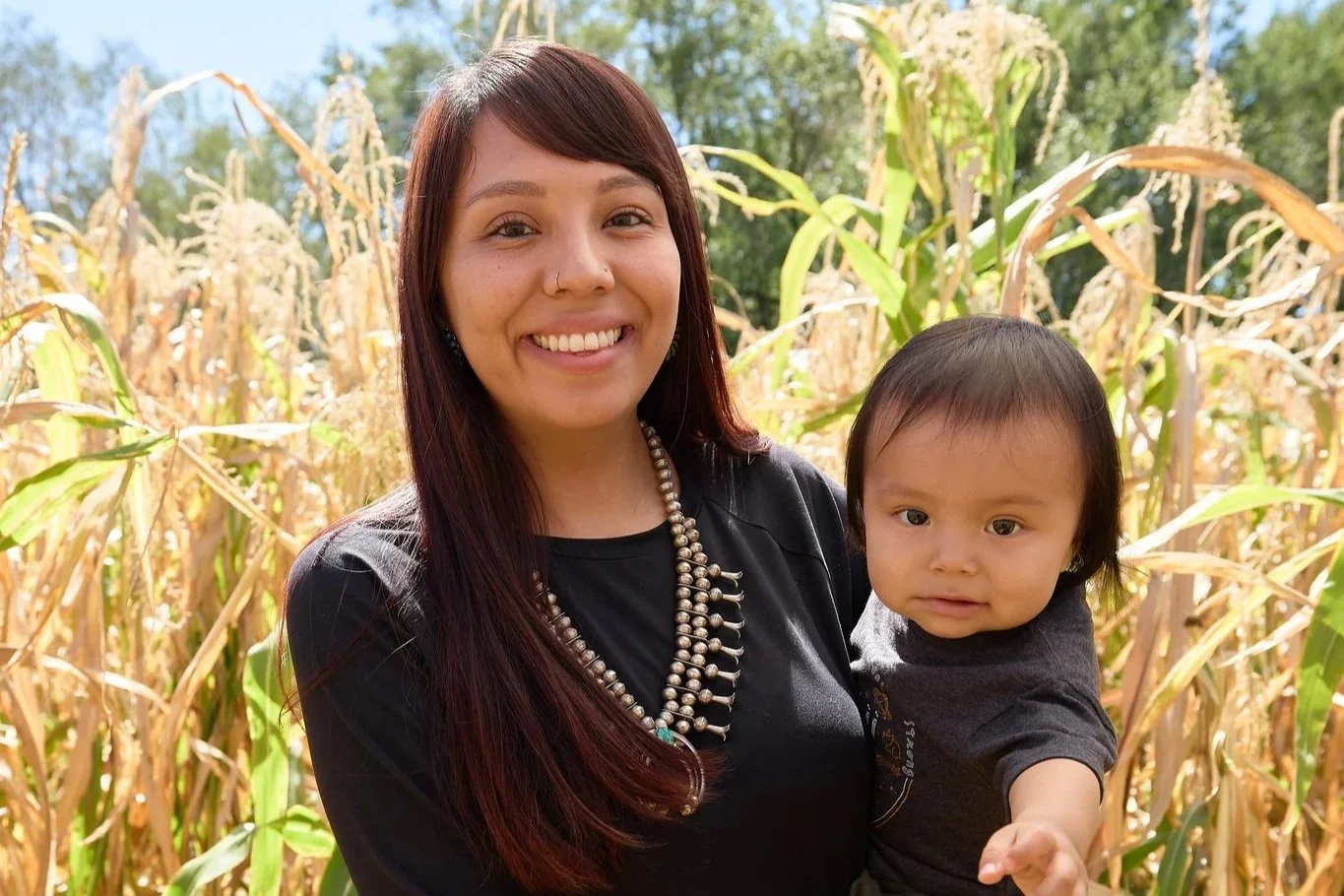
Jessica Meese
MS, CCC-SLP
Jessica Meese, MS, CCC-SLP, is a Diné speech-language pathologist who grew up in Tohlakai, New Mexico, on the Navajo Nation. She is a speech-language pathologist and research coordinator at the Johns Hopkins Center for Indigenous Health. She identifies as a Navajo woman, a mother, a clinician, and a researcher deeply rooted in the communities she serves. Her work spans clinical practice in tribal communities, language nutrition interventions, and culturally responsive tools that center Indigenous voices and ways of knowing. Her lived experiences navigating systems of care and working alongside families inform her commitment to family-centered, culturally responsive, and community-driven approaches to care.
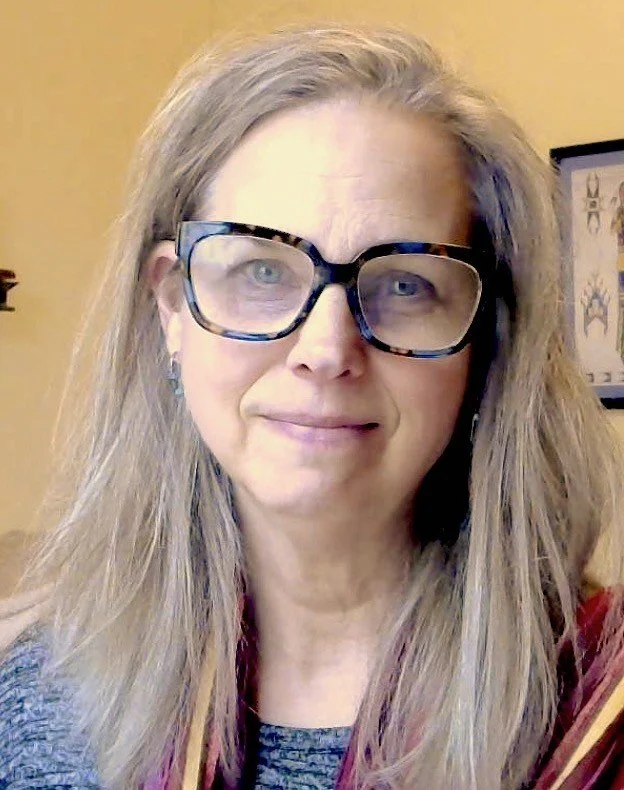
Elizabeth Kushman
MPH
Elizabeth joined the Center for Indigenous Health as a Senior Research Associate in 2021. She serves as Director of Maternal, Infant and Child Health on the Family Spirit team. In addition to being involved with Family Spirit affiliate support, she contributes to research and program development and implementation for the Center. Current projects include Family Spirit Thrive, Language is Medicine, and Family Spirit Strengths. Her interests include identifying effective health equity promotion strategies in partnership with communities, and exploring the synergy between evidence based public health strategies and Indigenous knowledge.
Prior to joining the Center, Elizabeth worked for over 25 years in Michigan developing and managing maternal, infant and early childhood health promotion programs, as well as contributing to tribal, state and national policy development efforts. Her research experience includes needs assessment, program piloting and evaluation, and population-based surveillance projects using vital records, PRAMS and BRFS data.
She completed an MPH at the University of Michigan School of Public Health and a BS in French at Georgetown University. She is based in Traverse City, MI.
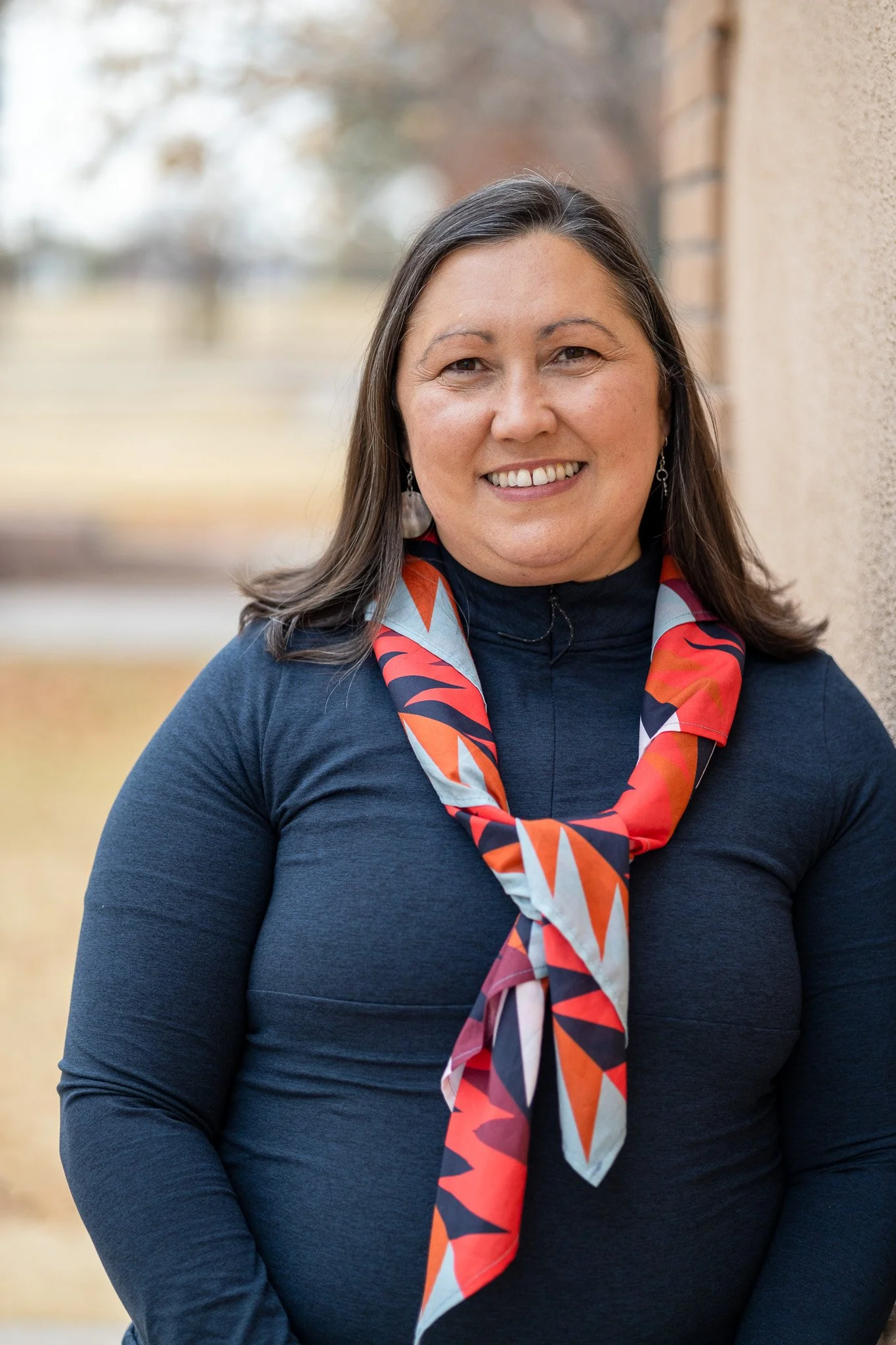
Lisa Martin
MPH
Lisa Martin, MPH is a member of the Ojibwe Nation and enrolled in the Sault Ste. Marie Tribe of Chippewa Indians. She is a Senior Research Associate at the Johns Hopkins University Center for Indigenous Health supporting Indigenous early childhood, nutrition, and food sovereignty research in addition to Family Spirit Program implementation, content development, adaptations and research.
Lisa has worked in the area of home visitation and on project supporting early childhood development for the last 15 years and has worked in the projects supporting Indigenous Public Health for the past 25 years.
Our Team
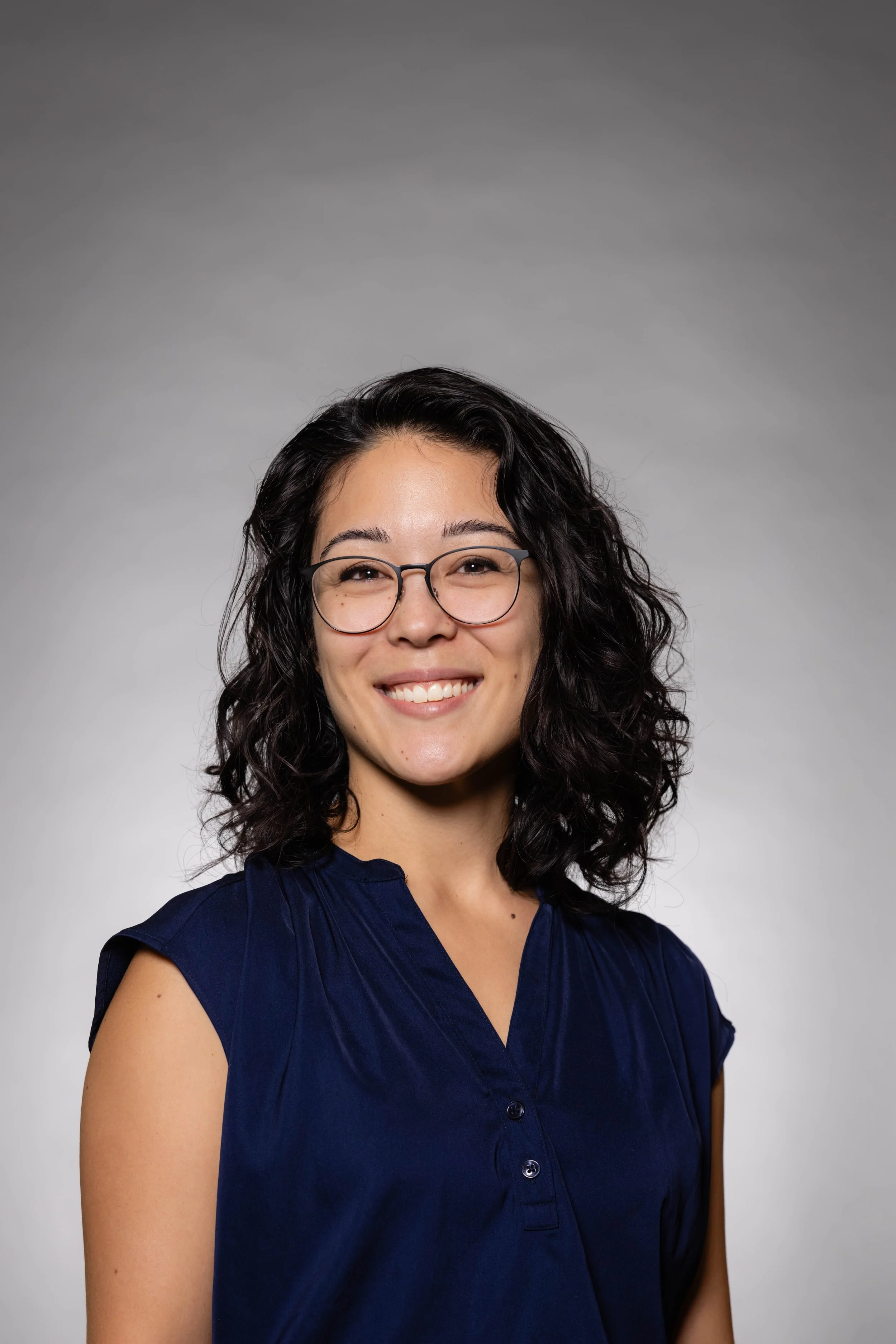
Natalie Pak
PhD, CCC-SLP
Natalie S. Pak, PhD, CCC-SLP is a speech-language pathologist and an assistant professor in the Department of Communication Sciences and Disorders at the University of South Florida.
Her research investigates the effectiveness and social validity of family-centered language interventions for young children with developmental delays or disabilities. She is especially interested in cultural adaptation and tailoring of early language interventions.
Felix Muniz
PhD
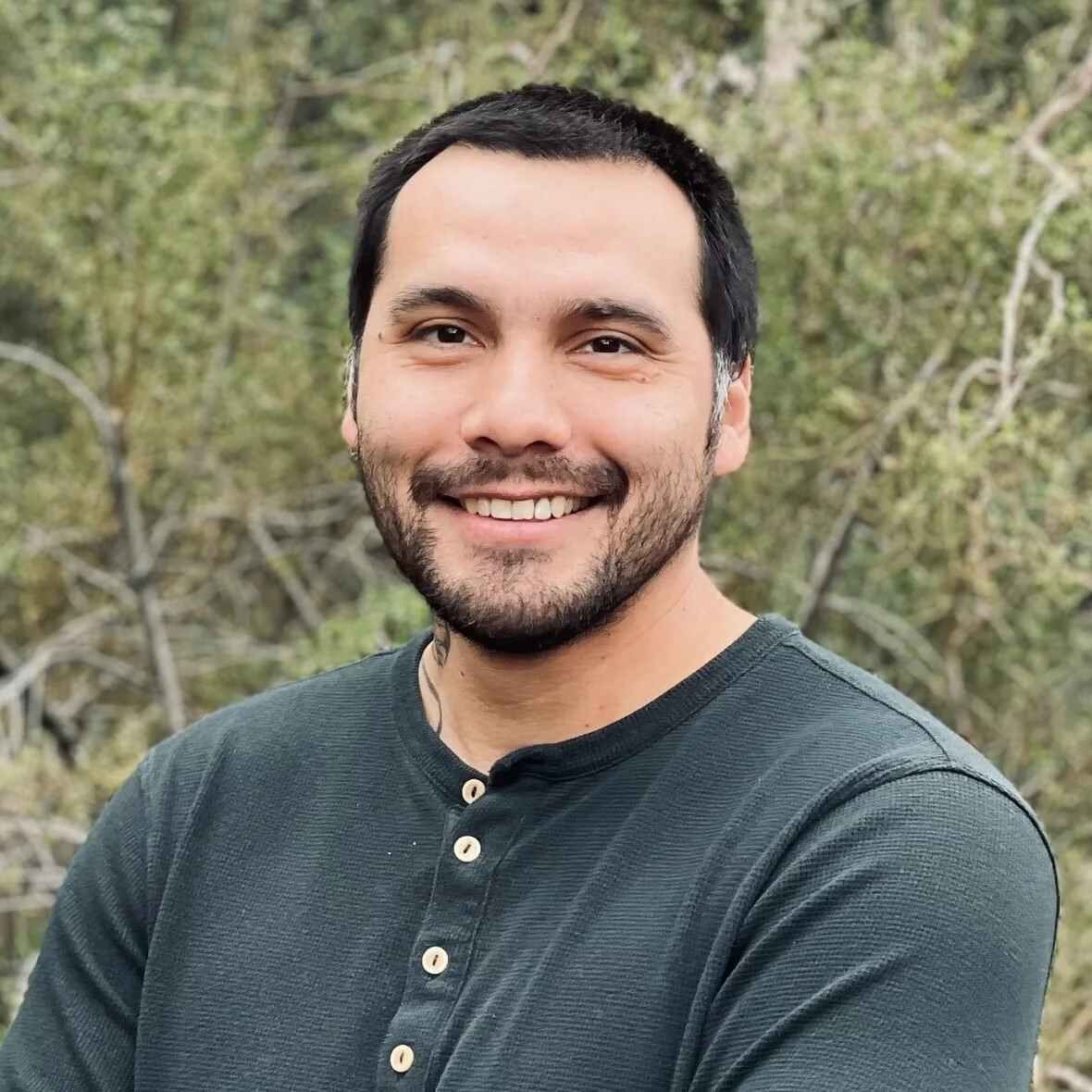
Dr. Felix Muniz is from the Salt River Pima-Maricopa Indian Community and is Onk Akimel O'odham, Tohono O'odham, and Hualapai. He got his PhD in Quantitative Research Methods from Arizona State University in 2024.
His research focuses on conducting interventions aimed at improving mental health outcomes for Indigenous peoples while supporting their own traditional conceptualizations of mental health. He also collaborates with Indigenous researchers and provides statistical support for a number of ongoing research projects working to improve a variety of outcomes for Indigenous peoples. Overall, he aims to support the wellbeing of Indigenous people while centering Indigenous knowledges and experiences.
Jay Buzhardt
PhD
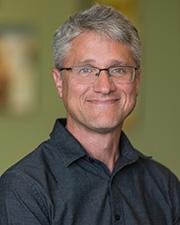
Jay Buzhardt is a research professor and Associate Director at the Juniper Gardens Children's Project, which is a University of Kansas research center based in Kansas City, Kansas. His interests focus on investigating factors that impact the implementation, usability and effectiveness of technology-based intervention, assessment, and training. His interventions typically focus on early language and behavior management. He has directed and co-directed several federally-funded research projects from NIH, IES, OSEP, NIDRR, and local foundations, including the following: He is co-developer and investigator of the OASIS (Online and Applied System for Intervention Skills) Training to train parents how to implement evidence-based practices with their young children with autism. He has been the lead scientist in the development and experimental evaluation of the web-based progress monitoring and decision-making tools for Infant and Toddler IGDIs, which includes the Early Communication Indicator.
Hiba Shahid
Data Anyalyst
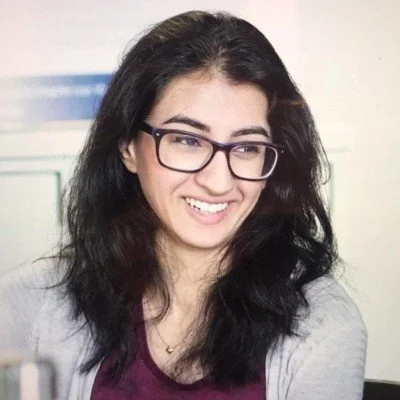
Hiba works as an engineer developing and evaluating medical devices. She loves creating technology that can help people and she hopes to decrease inequality in accessing medical devices and other health interventions. She has a B.S. in Bioengineering from University of Illinois and is working on a Master's in Public Health at Johns Hopkins University.
She is working with +Language is Medicine (+LiM) as part of the data analytics team alongside figuring out how to expand this intervention to other Indigenous communities.
Kimberly Belone
Site Supervisor Lead
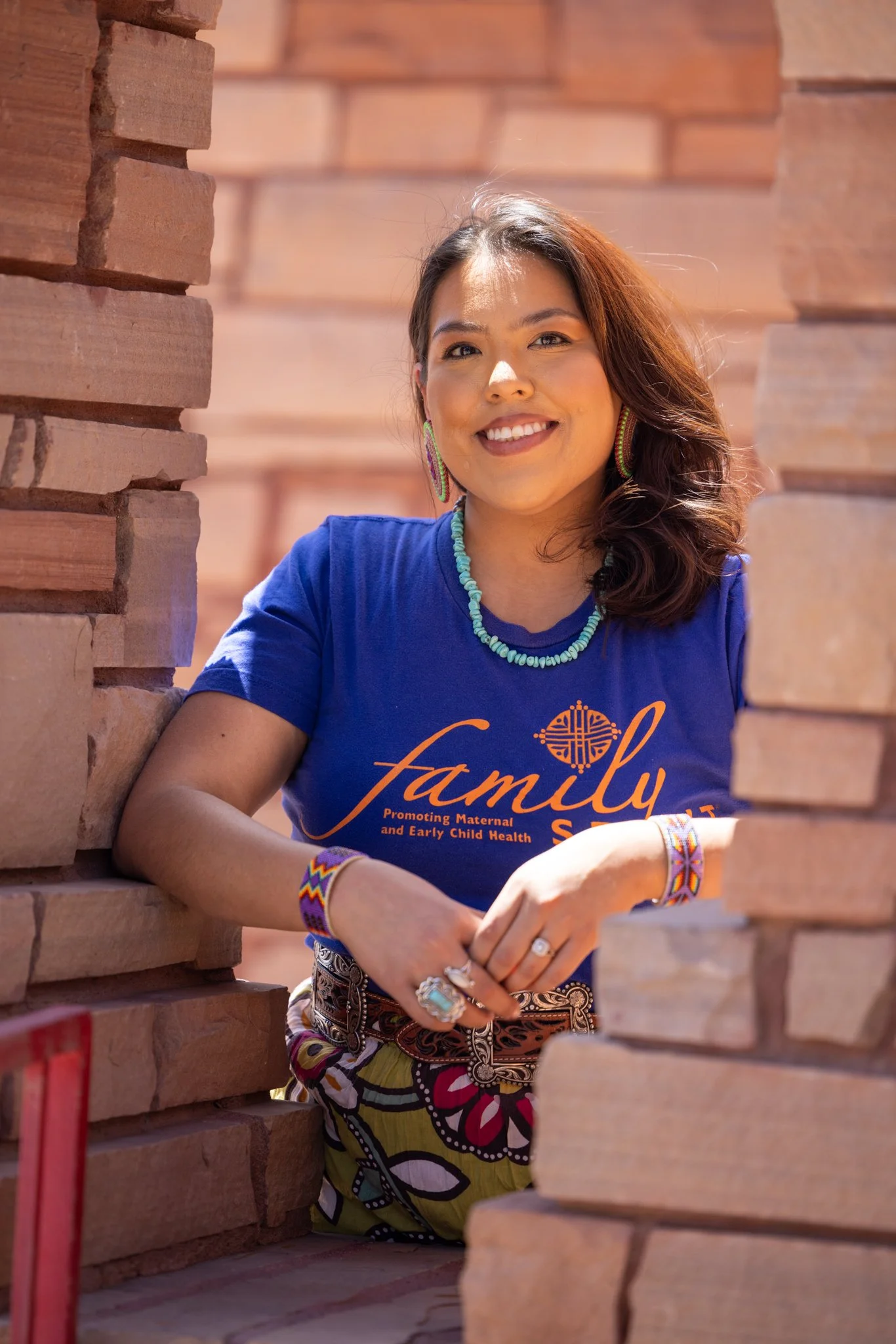
Kimberly Belone is a proud member of the Diné (Navajo) Nation. She is Kiyaa’áanii, born for the Dziłtł’ahnii; her maternal grandfather is Táchii’nii, and her paternal grandfather is Kiyaa’áanii. Her work is grounded in her cultural identity and a strong commitment to community wellness.
Kimberly joined the Center for Indigenous Health in September 2022 and serves as a Program Coordinator in Fort Defiance, Arizona. She plays a key leadership role in the implementation and evaluation of the Family Spirit program and serves as the Fort Defiance Site Coordinator for the +Language is Medicine (+LiM) study, where she supports home visitors and oversees site-level coordination to ensure high-quality, culturally grounded programming.
Kimberly is currently pursuing an Associate of Science in Behavioral Science with an emphasis in Counseling and plans to continue toward a Bachelor of Science in Global Health. In her free time, she enjoys hiking, camping, kayaking, and fishing with her family.
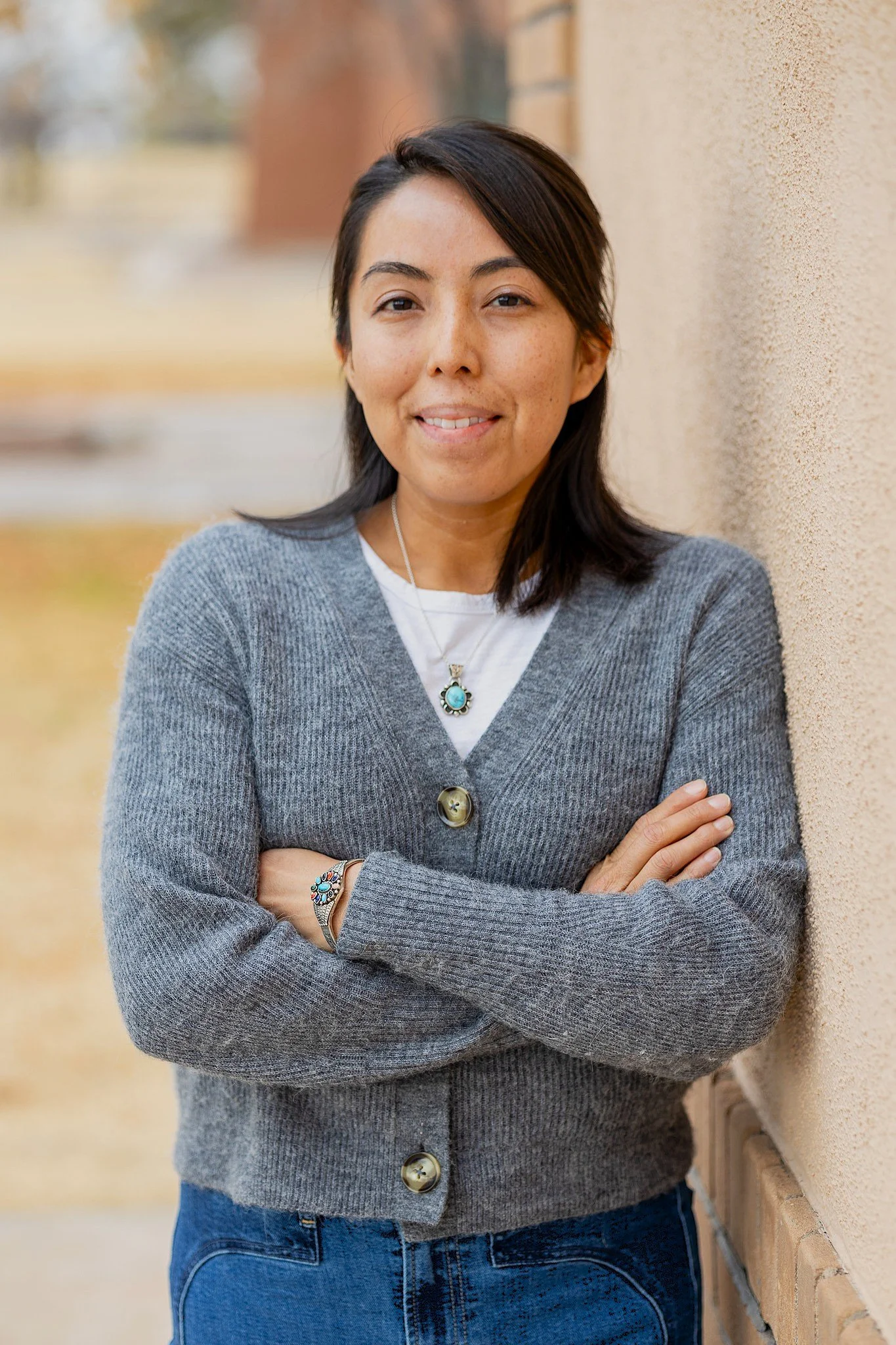
Kristen Tallis
MPH, Site Supervisor Lead
Kristen Tallis (Diné) is Honágháanii and born for Bit’ahnii from Black Mesa, Arizona. She joined the Center for Indigenous Health in November 2020 as a Research Associate. Previously, she worked as the Family Spirit Training Coordinator and a research specialist at Northern Arizona University, where she led projects on health policy and health disparities.
Her research focuses on how Indigenous communities can drive transformation by operationalizing Indigenous knowledge to inform health policy and the built environment. Through this work, she especially values the storytelling shared across communities and has learned from their efforts to uplift their people through traditional knowledge and planning focused on future generations thriving.
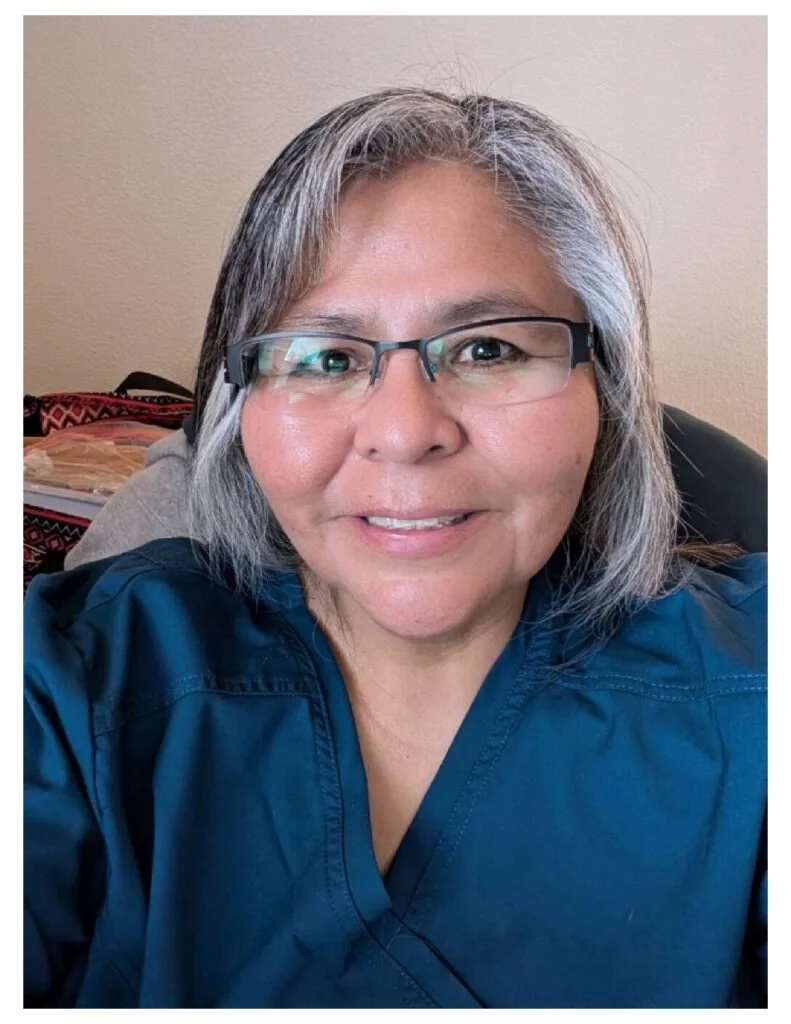
Val Coho-Mescal
Health Educator
Val is Kinyaa'aanii, Tsenabahi l ni bashishchiin (born for), T l'ogi dashicheii (maternal grandfather]), and Haltsoii dashinalí (paternal grandfather).
Val is a devoted Dine woman, blessed with four wonderful children and three loving grandchildren. She finds immense joy in collaborating with her community and families, and this role allows her to continue making a positive impact in the lives of families.
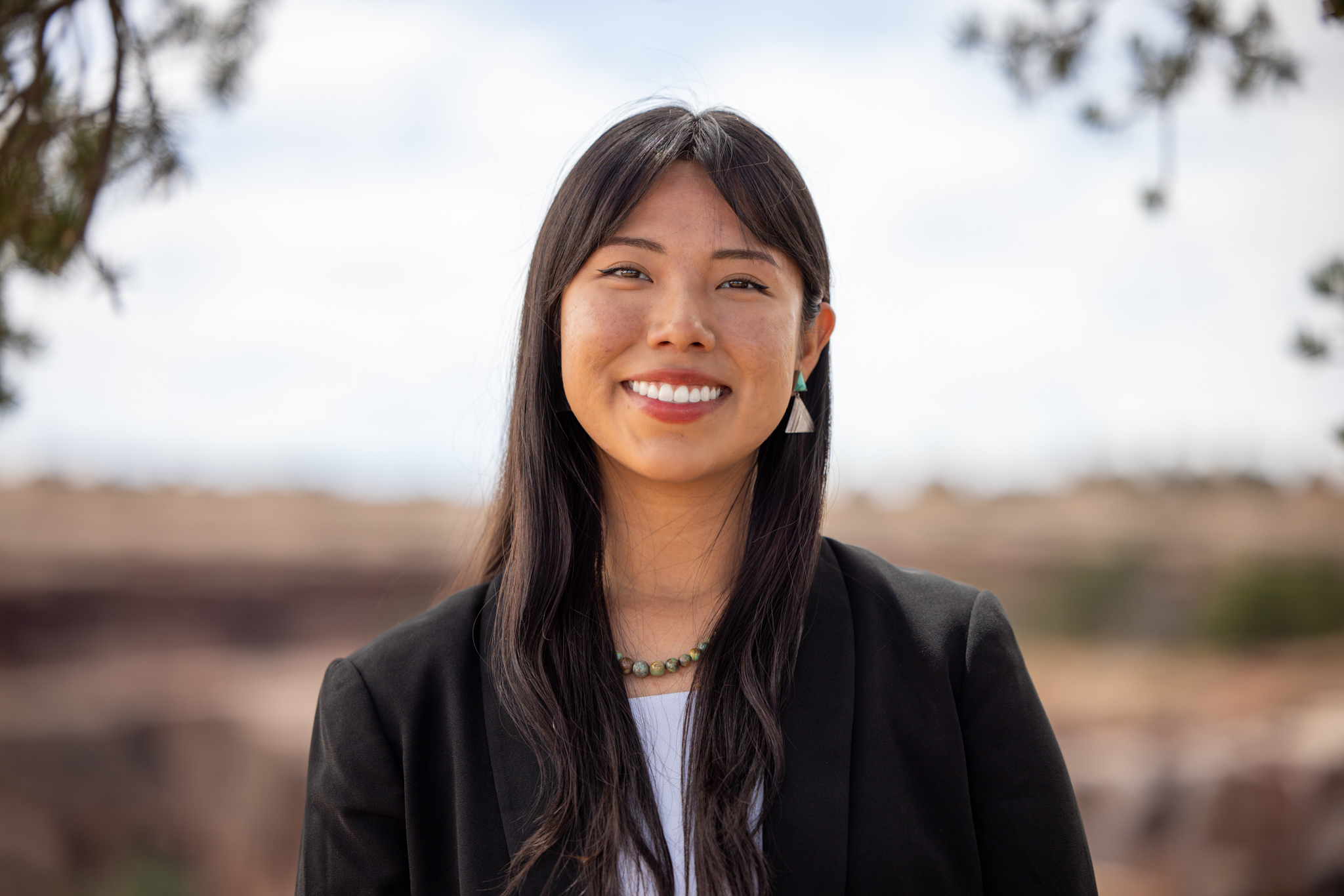
Tonya Tolino
Health Educator
Tonya, a citizen of the Diné/Navajo Nation, is Kinyaa'áanii (Towering House Clan), born for Tódích'ii'nii (Bitter Water Clan). Her maternal grandfather is of the Haltsooí Clan (Meadow People) and her paternal grandfather is of the Bit'ah'nii Clan (Folded Arms People).
Tonya is a graduate of Dartmouth College and obtained a BA degree in Neuroscience and Psychology. Currently, she is working with the +Language is Medicine (+LiM) as a health educator where she is able to apply her passion for community-led health initiatives, research, and finding solutions for improving the health and wellness of Indigenous communities.
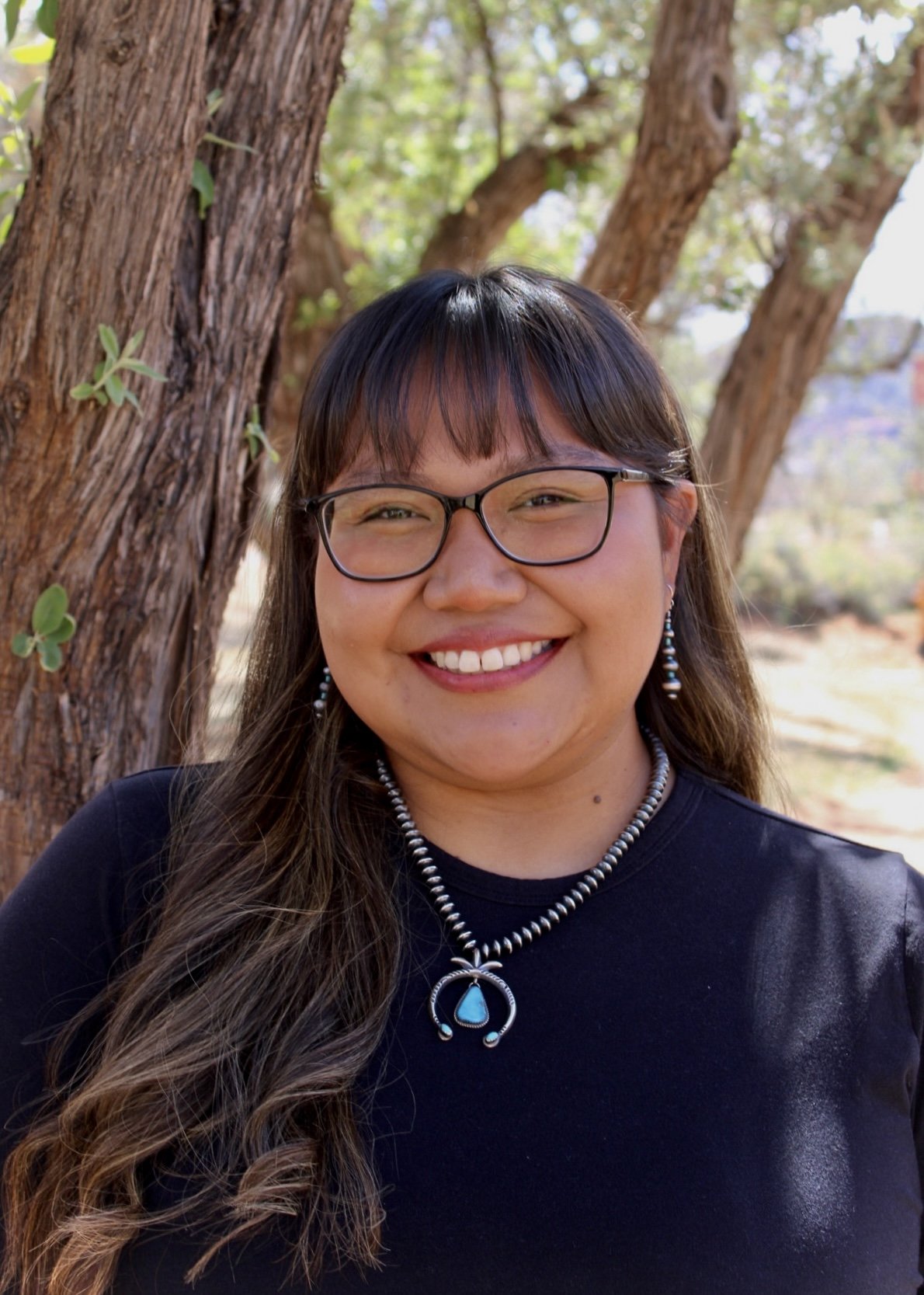
Ashelyne Toledo
Health Educator
Ashelyne Toledo is Tsi’naajinii (Black Streaked Wood People) , born for Kinyaa’áanii (Towering House People). Her current title at +LiM is a Health Educator. She will be providing Dine’ children and their caregivers the +Language is Medicine curriculum.
Asheylyne has deep roots in early childhood education and has a strong passion for helping our younger generation. She is currently pursuing a BA in early childhood at the University of New Mexico. Aside from this position, She loves spending quality time with her daughter and family, photography, and painting. She is excited to make connections with families and working.
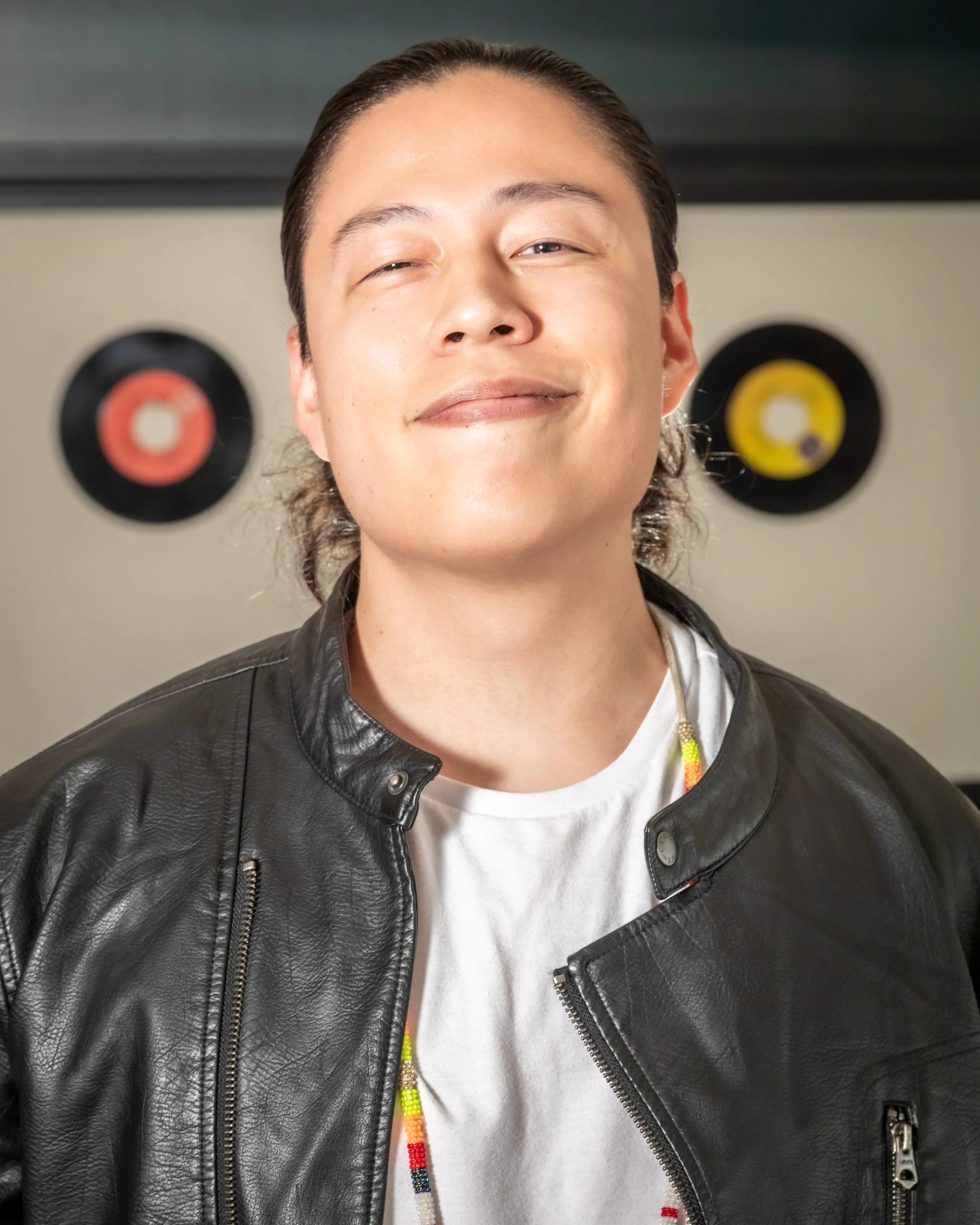
Justin Giehm
Health Educator
Justin Giehm (Navajo/Diné) is a New Mexican based dancer, model and actor known for his work in JAMESTOWN (PBS) and RIDICULOUS 6 (Netflix). He became a member of Dancing Earth in 2014 under Rulan Tangen, which lead to him being casted in JAMESTOWN which filmed in Europe, and in Doctor Atomic with Director Peter Sellars at the Santa Fe Opera. He was cast in Bear Grease the musical as “Sonny” in 2023 performing in communities all over the United States and Canada, theaters like The National Arts Center in Ottawa, and ended his run off Broadway in New York City in 2025.
He is currently working as a Health Educator with the +Language is Medicine project. He has a passion for working with communities and youth. His other passions include playing video games and spending time with his partner and cats.